The Research Subgroup has developed the process and criteria for sharing data sets with researchers. The Subgroup reviews all applications for research data and final reports.
2026 UKMED Research Subgroup meeting dates:- 19th May 2026
- 19th November 2026
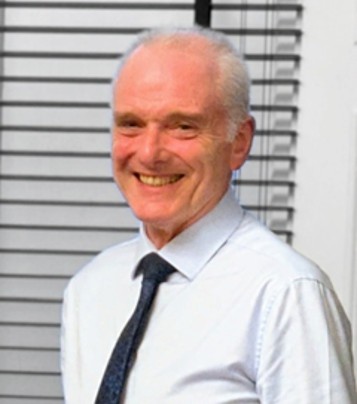
Professor Peter Johnston is a consultant histopathologist (NHS Grampian, Aberdeen, UK). Diagnostic work includes haematopathology, general cellular pathology and diagnostic cytopathology. An Aberdeen graduate, he has a long commitment to undergraduate and postgraduate medical education, coordinating and innovating over many years. Current work is in developing laboratory medicine teaching and learning in the medical programme in the University of Aberdeen. Recent postgraduate roles include Depute Postgraduate Dean, Scotland Deanery (North). He is co-chair of the UKMED Research Group and is part of the Centre for Healthcare Education Research and Innovation in the University of Aberdeen. He is Vice-President (Workforce and Corporate Engagement) in the Royal College of Pathologists, having been chair of the Scotland Regional Council and Vice-President for Professionalism, along with roles and leadership in several College committees. Professor Johnston’s medical workforce development research is in medical careers decision-making, including novel methods to study how students and residents value generic characteristics of training posts. Current work is Pathology-focused, exploring workforce demographics and wellbeing. Clinical learning environments, educational culture, safety of patients and staff, couched in human factors principles in educational and clinical settings, and doctors’ wellbeing in COVID-19 and beyond are other areas of study.
Publications
-
UKMEDP026
Kumwenda B, Cleland JA, Prescott GJ , Walker K , Johnston PW. The relationship between socio-demographic factors and selection into UK postgraduate medical training programmes: a national cohort study. BMJ Open. 2018; 8(6): e021329. Published online 2018 Jun 30. doi: 10.1136/bmjopen-2017-021329 -
UKMEDP026
Kumwenda B, Cleland JA, Prescott GJ, Walker KA, Johnston PW. Geographical mobility of UK trainee doctors, from family home to first job: a national cohort study. BMC Med Educ. 2018 Dec 20;18(1):314. doi: 10.1186/s12909-018-1414-9 -
UKMEDP026
Kumwenda B, Cleland J, Prescott G, Walker K, Johnston P. Relationship between sociodemographic factors and specialty destination of UK trainee doctors: a national cohort study. BMJ Open. 2019 Mar 27;9(3):e026961. doi: 10.1136/bmjopen-2018-026961. - Scanlan G, Cleland J, Stirling S, Walker K, Johnston PW. Do Intention and Social Demographics Predict Career Behaviour: A survey of UK Postgraduate Doctors. BMJ Open 2019;9:e026444. doi: 10.1136/bmjopen-2018-026444.
- Johnston PW, Vieira R, Cameron IM, Kumwenda B, Walker KA, Cleland JA. Big data: examination of the relationship between candidates’ sociodemographic characteristics and performance in the UK’s membership of the Royal College of Physicians Part I examination. Advances in Health Sciences Education, 2024:30:53-68. https://doi.org/10.1007/s10459-024-10406-3
Professor Colin Macdougall is Associate Dean for the four-year graduate entry MBChB programme at Warwick Medical School. As deputy head until 2016, he was previously responsibility for learning and teaching (including the developing the current curriculum), international aspects of the course and students with disabilities. He joined the school in 2002 initially working within phase 1 of the course.
Nationally, he is deputy chair of the UKMED research group https://www.ukmed.ac.uk/ and is an elected member of the BMA’s Medical Academic Staff Committee (MASC) and MASC executive. In 2019 he was awarded an Advance HE National Teaching Fellowship https://www.advance-he.ac.uk/ntfs/professor-colin-macdougall in recognition of his leadership in medical education.
He is a graduate of the University of Newcastle upon Tyne and until 2025 worked clinically in Paediatric allergy.

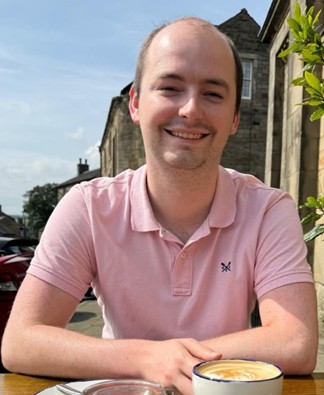
Doctor Robbie Bain is an NIHR-funded Academic Clinical Fellow in Medical Oncology at Newcastle University and Newcastle upon Tyne Hospitals NHS Foundation Trust. His research interests include medical workforce research, with a particular focus on the development and evaluation of clinical academic training pathways using evidence-based approaches. He also has interests in cancer genomics and the application of novel sequencing methodologies to enable cancer research and evaluate biomarkers of disease.
Publications
-
UKMEDP188 (in progress):
Is the pipeline for early career clinical academics functioning? An analysis of what determines participation in the Specialised Foundation Programme and beyond with the UKMED.
Doctor Mary Fortune is a statistician, specialising in teaching statistics, designing and analyzing assessments and developing novel methodologies for analysing datasets. She has an undergraduate (BA) and masters (MMath) degree from the University of Cambridge. She then obtained her PhD, also from the University of Cambridge, working on colocalisation analysis in dependent datasets and methods for fitting models of genetic causality for autoimmune diseases. She has worked on designing clinical trials for dementia embedded within cohorts, and is currently Associate Teaching Professor in Medical Statistics and Assessment, Public Health Education Group.

Doctor Paul Garrud’s degrees were taken at Oxford. He then worked in Oxford and Sussex before moving to St. Andrews where he first taught medical students. He spent ten years there before moving to Nottingham Medical School, based in Behavioural Sciences for fourteen years, and then moving to the new GEM (graduate entry) school in Derby.
He has worked in selection and widening participation since 2009, contributing to the Selecting for Excellence project, chairing the Medical Schools Council Selection Alliance and the UK GAMSAT Users group for ten years, and co-authoring the Fostering Potential report.
He has also worked in quality assurance for a lengthy period with the Welsh HE Funding Council, the Quality Assurance Agency, the Academy for Healthcare Science, and the General Medical Council.
Educational research has included award-winning multimedia, a major widening participation project that prepared for the establishment of the Lincoln medical school, and several UKMED projects.
His recreations include life with two Labradors, singing with a choir and quartet, and gigging with a ukulele band.

Publications
-
UKMEDP002:
Garrud, P., & McManus, I. C. (2018). Impact of accelerated, graduate-entry medicine courses: a comparison of profile, success, and specialty destination between graduate entrants to accelerated or standard medicine courses in UK. BMC Medical Education, 18(1), 250. -
UKMEDP091:
Access to HE qualifications and widening participation in medicine. Available from: https://www.ukmed.ac.uk/documents/reports/UKMEDP091.pdf -
UKMEDP143 (in progress):
Admissions test score variation and stability. -
UKMEDP196:
Change in the demographic profile of medicine applicants and entrants since Selecting for Excellence. Fletcher, E., Garrud, P., Krstic, C. and Owen, C., 2024. Available from: https://www.medschools.ac.uk/wp-content/uploads/2025/05/fostering-potential-10-years-on-from-selecting-for-excellence-2.pdf -
UKMEDP209 (in progress):
Factors influencing short- and long-term retention of UK medical graduates in the NHS.
Professor Ellie Hothersall-Davies is the Head of Undergraduate Medicine at the University of Dundee Medical School. She is extensively involved in curriculum design, teaching, assessment and student well-being, and has national roles in assessment, including as Chair of the UK General Medical Council’s Applied Knowledge Test (formerly called PLAB1). Her background is in Public Health, and she is also an Honorary Consultant in NHS Tayside, with a lead role in Older People's Services and Digital Health. She is Co-Chair of the Public Health Educators in Medical Schools Special Interest Group of the Faculty of Public Health. Her interests are in assessment, particularly looking at topics and skills which do not fit into traditional assessment methods; developing professionalism and professional identity, healthcare sustainability, and the issues and additional challenges faced by students and doctors from a non-traditional medical background.

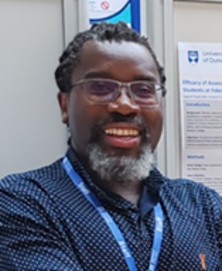
Doctor Ben Kumwenda is a member of the UKMED Research Subgroup Committee and a Lecturer at the Centre for Medical Education, University of Dundee. His research primarily focuses on understanding structural inequalities within medical education and the medical workforce, with a particular emphasis on widening participation and the career trajectories of doctors from under-represented backgrounds. His doctoral work examined progression pathways for widening-access medical students, establishing a foundation for his ongoing research into differential attainment, social mobility, and career access.
Using large-scale datasets like UKMED, he has contributed to national cohort studies investigating specialty choice, selection into training programs, and the geographical mobility of trainee doctors. This expertise extends to workforce planning, including active projects examining the origins and distribution of the Scottish general practice workforce, particularly in under-served areas.
Ben also maintains a strong research portfolio in assessment and selection methodologies. His work evaluates the predictive validity of selection tools, such as multiple mini-interviews, and examines the psychometric properties of assessment formats like multiple-choice questions. This reflects his commitment to ensuring fairness, validity, and reliability in high-stakes medical assessments.
Publications
-
Johnston PW, Vieira R, Cameron IM, Kumwenda B, Walker KA, Cleland JA. (2024). Big data analysis: examination of the relationship between candidates' sociodemographic characteristics and performance in the UK's Membership of the Royal College of Physicians Part 1 examination. Adv Health Sci Educ Theory Pract. 2024 Dec 20. doi: 10.1007/s10459-024-10406-3. Epub ahead of print. PMID: 39704960. -
UKMEDP026:
Kumwenda B, Cleland JA, Prescott GJ, Walker K, Johnston PW. (2019). Relationship between sociodemographic factors and specialty destination of UK trainee doctors: a national cohort study. BMJ Open 9(12). -
UKMEDP026:
Kumwenda B, Cleland JA, Prescott GJ, Walker K, Johnston PW. (2018). Geographical mobility of UK trainee doctors, from family home to foundation training posts: a national cohort study. BMC Medical Education 2018;18(1):314. -
UKMEDP026:
Kumwenda B, Cleland JA, Prescott GJ, Walker K, Johnston PW. (2018). Relationship between sociodemographic factors and selection into UK postgraduate medical training programmes: a national cohort study. BMJ Open 8(6).
Professor Kevin Murphy is a Professor of Endocrinology and Metabolism at Imperial College London where my research group studies the regulation of energy and glucose homeostasis. He has a long-standing interest and a number of roles in undergraduate and postgraduate education, including Course Director for the intercalated BSc in Endocrinology, Admissions Tutor for Widening Participation in Undergraduate Medicine, and Director of Postgraduate Studies for four Departments.

Publications
-
Widening participation criteria must be harmonised across UK medical schools. Daveney JP, Sam AH, Bonomi L, Murphy KG, Khan SA. BMJ. 2025 Jun 11;389:r1187. doi: 10.1136/bmj.r1187. -
Reliability, validity and acceptability of an online clinical reasoning simulator for medical students: An international pilot. Hornos E, Pleguezuelos E, Bala L, Collares CF, Freeman A, van der Vleuten C, Murphy KG, Sam AH. Med Teach. 2024 Sep;46(9):1220-1227. doi: 10.1080/0142159X.2024.2308082. Epub 2024 Mar 15. -
BMAT's predictive validity for medical school performance: A retrospective cohort study. Davies DJ, Sam AH, Murphy KG, Khan SA, Choe R, Cleland J. Med Educ. 2022 Sep;56(9):936-948. doi: 10.1111/medu.14819. Epub 2022 May 16. -
Scientific medical conferences can be easily modified to improve female inclusion: a prospective study. -
Salem V, McDonagh J, Avis E, Eng PC, Smith S, Murphy KG. Lancet Diabetes Endocrinol. 2021 Sep;9(9):556-559. doi: 10.1016/S2213-8587(21)00177-7. Epub 2021 Jul 29.
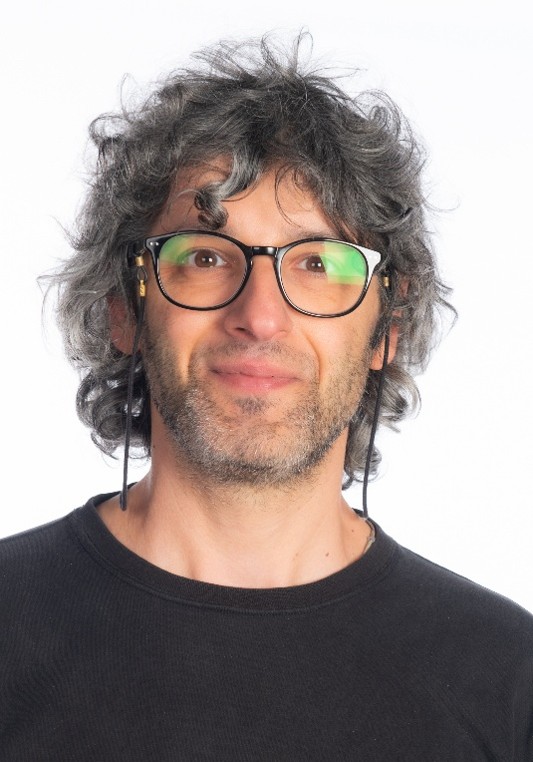
Doctor Luigi Sedda has over ten years of extensive experience in academic education, having worked across a range of departments and institutions, including the Department of Zoology at the University of Oxford, the School of Geography and Environmental Science at the University of Southampton, and currently Lancaster Medical School at Lancaster University. In addition, he has more than 20 years of experience in health research.
His academic work focuses on geographical health inequalities and infectious diseases, with a particular emphasis on developing geospatial methods to investigate disease transmission and progression.
From an educational perspective, he is interested in innovative teaching and assessment approaches, particularly in analysing student pathways by linking attendance, admissions, and assessment data. This work aims to explore how demographic and socio-economic factors influence progression through medical training.
Publications
-
UKMEDP044:
Hitchings, Lucy; Fleet, Ben; Smith, Daniel Thomas; Read, Jonathan M.; Melville, Colin; Sedda, Luigi. Determining the distance patterns in the movements of future doctors in UK between 2002 and 2015: a retrospective cohort study. BMJ Open. 2024;14:e077635. doi:10.1136/bmjopen-2023-077635.
Doctor Haci Bayram Yilmaz is a Lecturer in Psychometrics at the Centre for Healthcare Education Research and Innovation (CHERI), University of Aberdeen. He supports assessment and selection for the MBChB programme and teaches educational assessment and quantitative research methods. He holds a PhD in Quantitative Research, Evaluation, and Measurement from The Ohio State University.
While at Ohio State, he contributed to a national public health evaluation project and worked as a Social Sciences Research Specialist at the Ohio Department of Education. He later held faculty positions at universities in Türkiye and coordinated large-scale examinations, including an international student examination delivered in more than 20 countries. He has advised national and international organisations on assessment, project design, and evaluation, including the Turkish Ministry of National Education, TÜBİTAK, ÖSYM, and COWI A/S. His interests include the quality and fairness of educational assessment and the use of quantitative evidence to inform policy and practice.
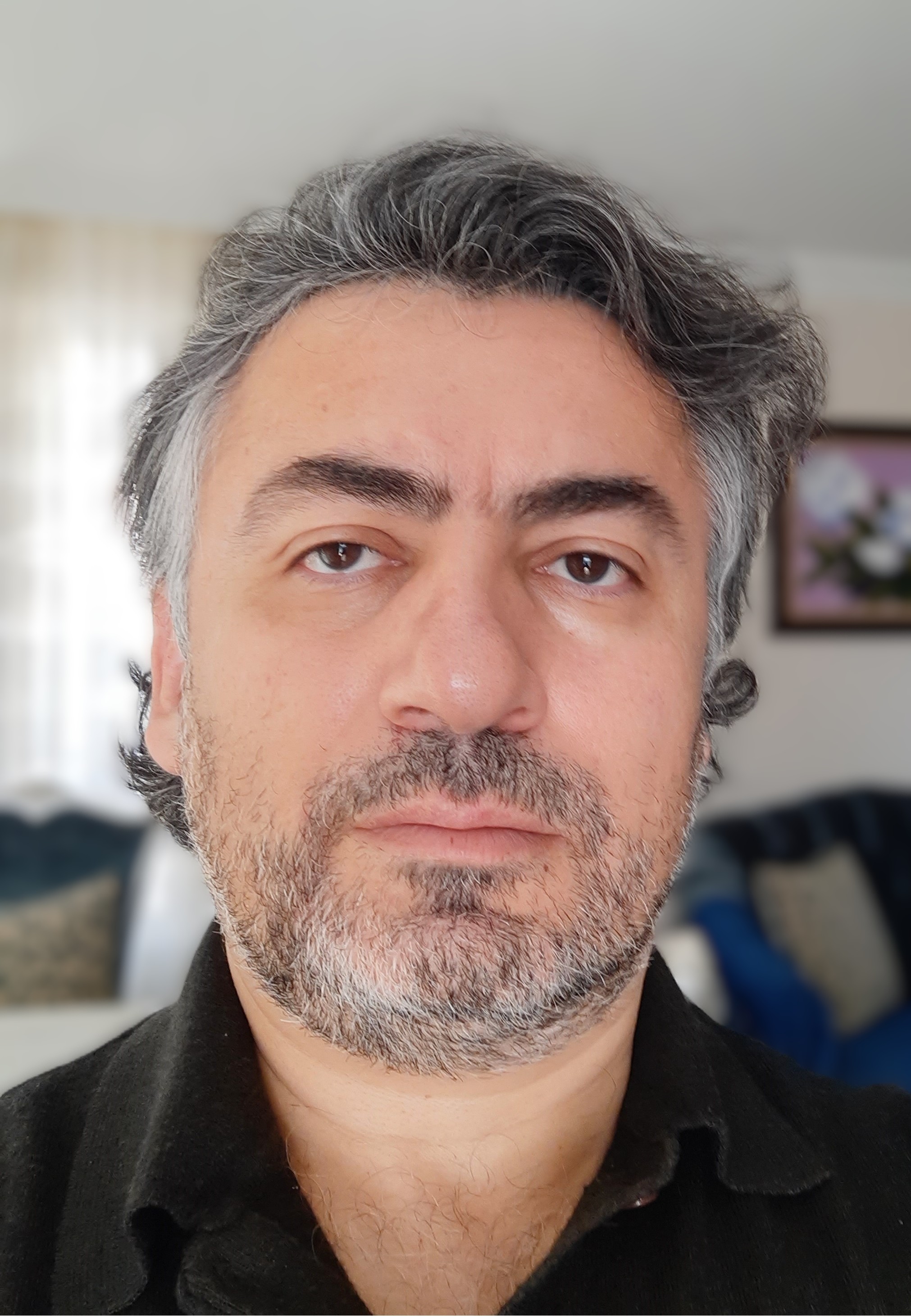
Doctor Asta Medisauskaite is a Principal Research Fellow at UCL Medical School. Her research focuses on undergraduate and postgraduate medical education, career progression, workforce retention, healthcare professionals' wellbeing, and equality, diversity, and inclusion. Her work integrates quantitative and mixed-methods approaches to generate evidence that informs medical education, workforce policy, and practice.

Publications
-
Chapter 23: Big Data: where to start and what to expect in Starting Research in Clinical Education
Milou Silkens, Asta Medisauskaite, and Chris McManus -
UKMEDP197:
Unequal Treatment? Access to medicine for socio-economically disadvantaged students Katherine Woolf (University College London Medical School), Asta Medisauskaite (University College London Medical School), Shaun Boustani (University College London Medical School) -
UKMEDP098:
Uncovering trends in training progression for a national cohort of psychiatry trainees: discrete-time survival analysis Sutton Trust website Milou E.W.M. Silkens (UCL Medical School), Shah-Jalal Sarker (UCL Medical School), Asta Medisauskaite (UCL Medical School) BJPsych Open. 2021;7(4):e120. doi:10.1192/bjo.2021.958